17 November 2026
Is More Pressure Always Better? Rethinking Exterior Cleaning
Presented by @ricardobvji193
When a driveway looks grimy or exterior walls turn green, increasing the pressure can seem like the quickest solution. However, more pressure does not always mean a better clean. Effective exterior cleaning combines the right water pressure, flow rate, cleaning solution and technique for each surface.
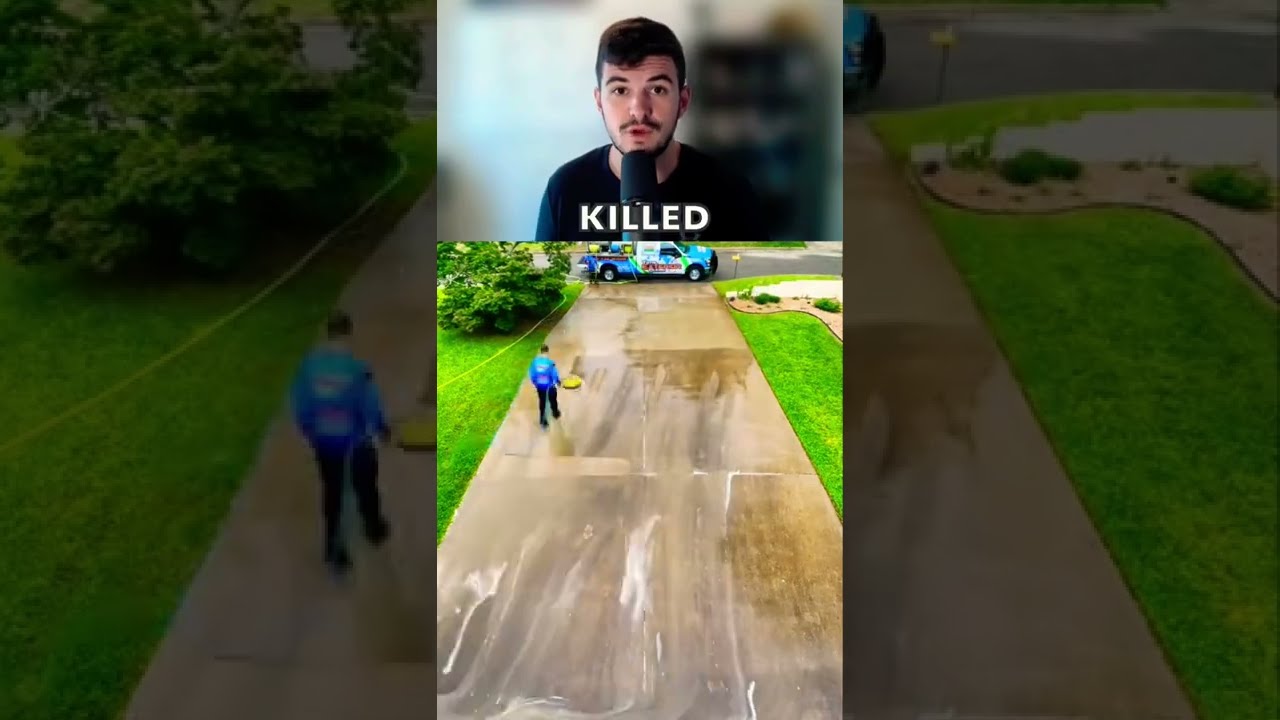
On the Gold Coast, humidity, coastal salt and frequent rainfall create different maintenance challenges. Choosing the right cleaning method helps remove contamination without unnecessarily damaging your property.
Why Excessive Pressure Can Cause Problems
A powerful water jet can strip paint, splinter timber, dislodge mortar and etch concrete. It can also force water behind cladding, through window seals or beneath roof coverings. Damage is not always immediately obvious: moisture trapped inside building materials can create longer-term problems.
Pressure measured in PSI is only part of the picture. Nozzle type, distance from the surface, water flow and how long the jet stays in one spot all affect cleaning intensity. A narrow spray held close to a surface can cause damage even when the machine is not operating at its maximum setting.
Pressure Washing Versus Soft Washing
Where pressure washing is useful
Pressure washing can suit sound, uncoated concrete and some durable paved surfaces. Even then, the operator should inspect for cracks, weak areas, coatings and loose joints before starting. A suitable surface cleaner can help achieve a more even finish across large areas.
When lower pressure makes more sense
Soft washing uses low-pressure application of a suitable cleaning solution, with controlled rinsing where required. It is often appropriate for painted walls, weatherboards and other finishes that can be damaged by aggressive spraying. The product must be compatible with the surface and used according to its label, including dilution and contact time.
Lower pressure does not automatically mean risk-free cleaning. Cleaning chemicals can harm plants, corrode metals or affect finishes if selected or handled incorrectly.

Match the Method to the Surface and Contamination
- Concrete driveways: Check for sealers, deterioration and oil stains. Oil may need a suitable degreaser rather than simply stronger pressure.
- Timber decks: Use a timber-appropriate process and avoid concentrated jets that raise fibres or gouge boards.
- Rendered and painted walls: Inspect cracks and flaking paint first. Use a gentle method that limits water entry.
- Pavers: Protect jointing material and assess whether compatible jointing sand needs replenishing after cleaning.
- Coastal fixtures: Follow manufacturer guidance for removing salt deposits, particularly from coated metal and aluminium.
Practical Advice for Gold Coast Properties
Schedule cleaning around the weather. Strong wind can spread spray onto neighbouring properties, while intense sun can dry some cleaning products too quickly. Avoid applying products when rain is likely to wash them into drainage systems before the required contact time.
Before work starts, close windows, move outdoor furniture and identify electrical fittings, damaged seals and delicate landscaping. Test the proposed method on a small, inconspicuous area before cleaning the whole surface.

Keep wash water, sediment and cleaning chemicals out of stormwater drains. Plan how runoff will be contained and managed, and check current City of Gold Coast requirements and water-use restrictions before starting. “Biodegradable” does not mean a product is safe to discharge into waterways.
When to Call a Professional
Roof cleaning, work at height and cleaning around electrical equipment require particular care. Never pressure-clean suspected asbestos-containing materials; arrange assessment by a qualified asbestos professional instead.
When comparing Gold Coast exterior cleaning services, ask how the contractor assesses surfaces, selects products, protects nearby plants and manages runoff. Check that they hold appropriate insurance and explain any risks to existing coatings or seals.
The best result is not the highest pressure available. It is a clean surface achieved with the least aggressive effective method, careful preparation and a maintenance plan suited https://goldcoastpressurecleaningexperts.com.au/concrete-cleaning/ to your property.
Gold Coast Pressure Cleaning Experts
Factory 2/60 Newheath Dr, Arundel QLD 4214
(07) 5240 9985